
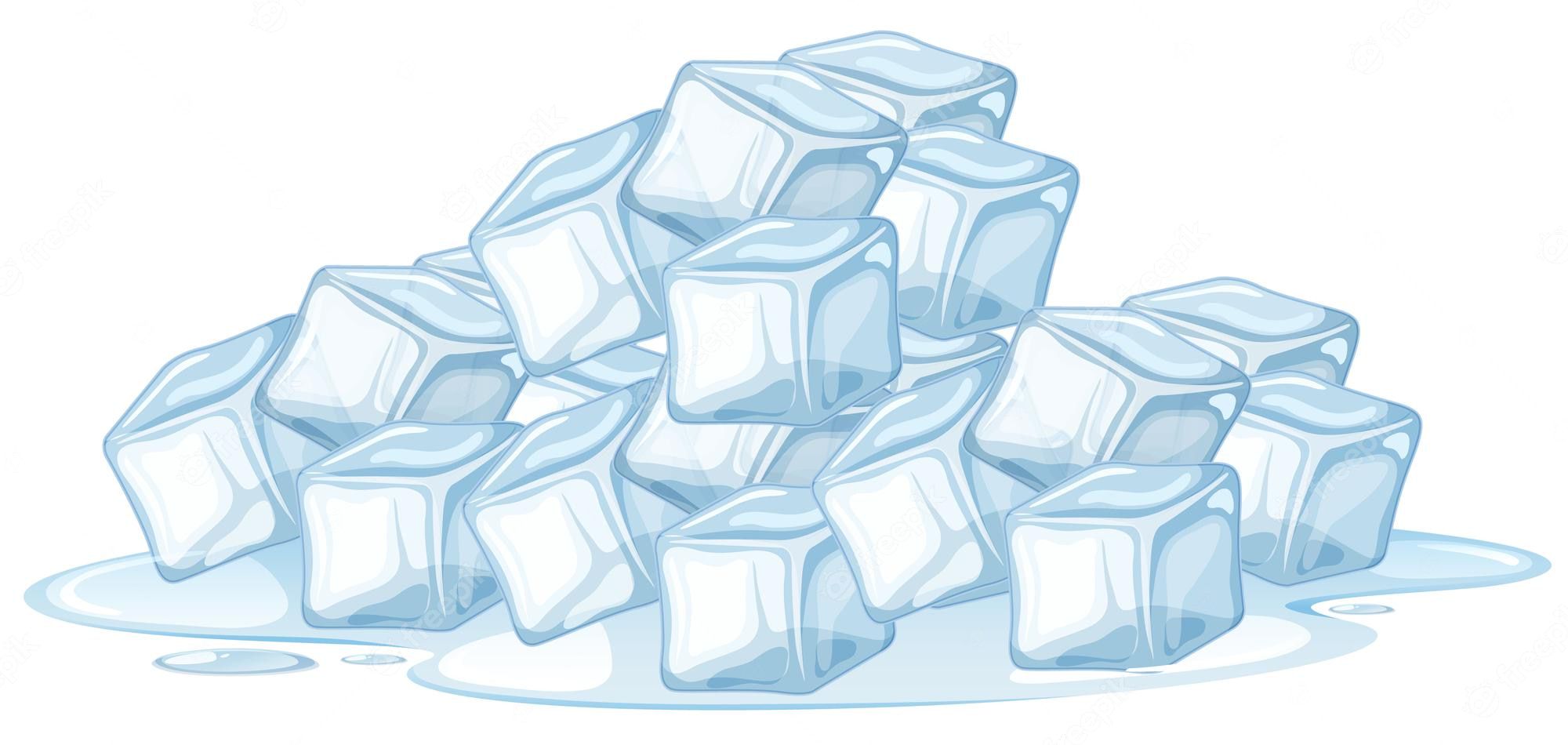
I’ll admit it—I’ve spent more hours than I’d like to confess scrolling through design resources, and one thing that always catches my eye is the sheer variety of ice cube clip art. Whether it’s for a presentation, a blog post, or a social media graphic, ice cube clip art has this weird versatility that makes it both mundane and oddly fascinating. I first noticed this when I was working on a project about summer drinks, and I needed something to visually represent "coolness" without resorting to the overused snowflake. That’s when I stumbled into the surprisingly deep world of ice cube clip art.
Why Ice Cube Clip Art Matters More Than You Think
Here’s the thing: ice cube clip art isn’t just about drawing a cube. It’s about texture, lighting, and context. I’ve seen designs where the ice looks flat and lifeless, and others where it practically glistens off the screen. The difference? Attention to detail. For instance, a well-designed ice cube will have subtle gradients to mimic how light refracts through water. I tested this by comparing two pieces of clip art side by side—one from a free stock site and one from a premium service. The premium version had a slight blue tint and a softer edge, making it look more realistic. It’s a small detail, but in design, those details matter.
Where to Find Quality Ice Cube Clip Art
Not all clip art is created equal. I’ve spent enough time sifting through low-resolution, pixelated options to know that quality varies wildly. My go-to platforms are Adobe Stock and Shutterstock, where I’ve found high-resolution files with transparent backgrounds. For budget-friendly options, Canva has a decent selection, though I’ve noticed their ice cubes tend to lack the same level of realism. If you’re on a tight budget, Pixabay offers free options, but be prepared to spend time filtering through less polished designs.
Comparing Platforms: A Quick Overview
| Platform | Price | Quality | Ease of Use |
|---|---|---|---|
| Adobe Stock | $$</td> <td>High</td> <td>Moderate</td> </tr> <tr> <td>Shutterstock</td> <td>$</td> <td>High</td> <td>Easy</td> </tr> <tr> <td>Canva</td> <td> | Medium | Very Easy |
| Pixabay | Free | Variable | Easy |
How to Use Ice Cube Clip Art Effectively
Honestly, the key to using ice cube clip art well is knowing when to use it—and when not to. I’ve seen it work brilliantly in beverage ads, weather infographics, and even in a quirky email campaign for a cold brew coffee brand. But I’ve also seen it misused in contexts where it feels out of place, like a corporate report on financial trends. My rule of thumb? If the design isn’t related to temperature, refreshment, or something similarly thematic, skip the ice cube.
💡 Note: Always check the licensing terms before using clip art, especially for commercial projects. Some platforms require attribution or restrict certain uses.
Practical Tips for Better Integration
- Resize carefully—too small, and details get lost; too large, and it can overwhelm the design.
- Play with transparency to make the ice blend naturally into your background.
- Pair it with complementary elements like water droplets or condensation for added realism.
This is where it gets interesting: ice cube clip art can also be a subtle way to convey concepts like clarity or freshness. I once used a single ice cube in a minimalist logo for a skincare brand, and it worked surprisingly well. The client loved how it hinted at "cooling" without being overly literal.
After years of experimenting with ice cube clip art, I’ve learned that its value lies in its simplicity—but only when used thoughtfully. It’s not the flashiest design element, but when executed well, it can add a layer of polish that elevates the entire piece. My final tip? Don’t underestimate the power of a well-designed ice cube. It might just be the unexpected detail your project needs.
Related Terms:
- melting ice cube clip art
- ice cube clip art png
- free ice cube clip art
- ice clip art
- frozen ice cube clip art
- colorful ice cube clip art


